Step 1: Find Your Home's Undertone
According to Cayley, the best place to start is with the elements that are already fixed within a space.
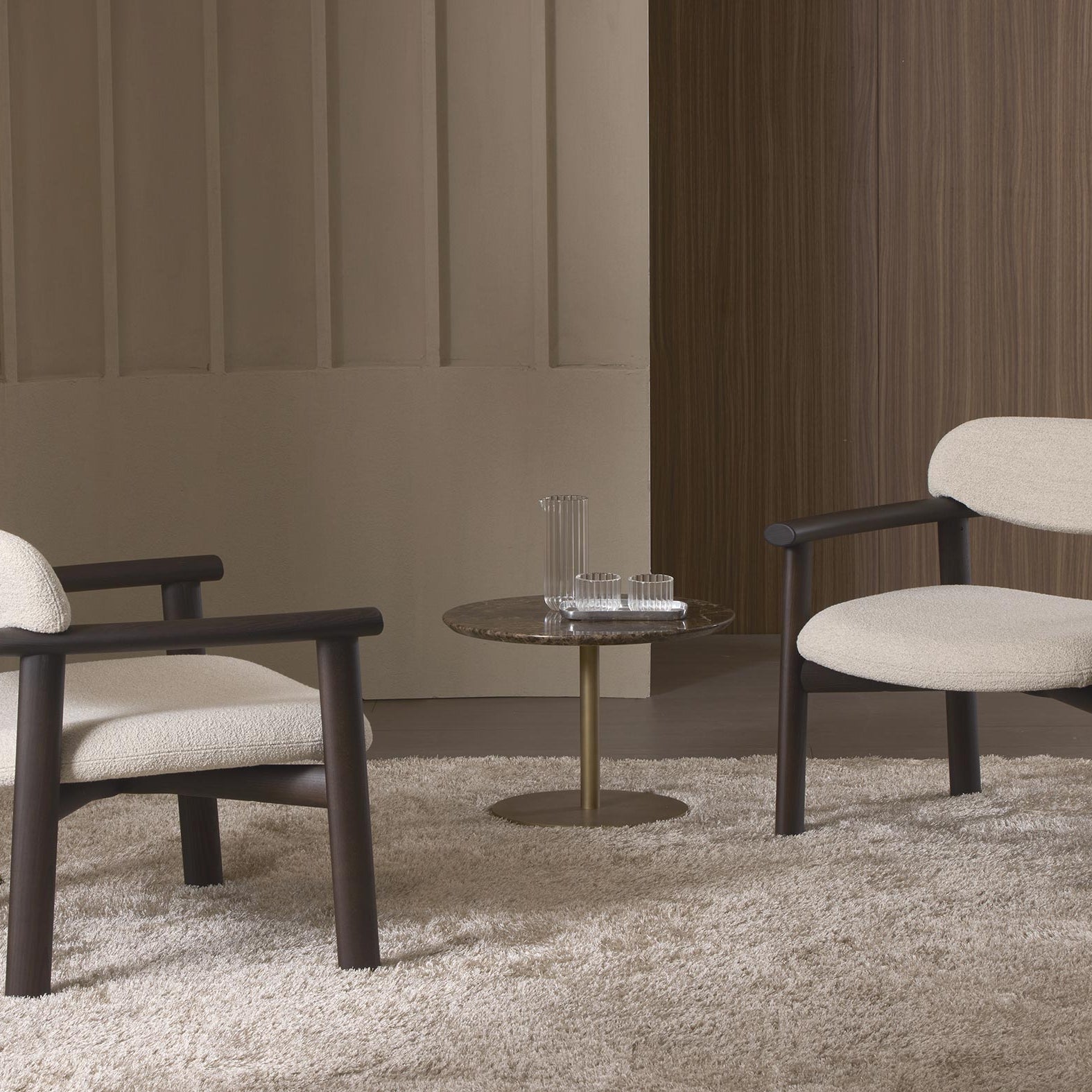
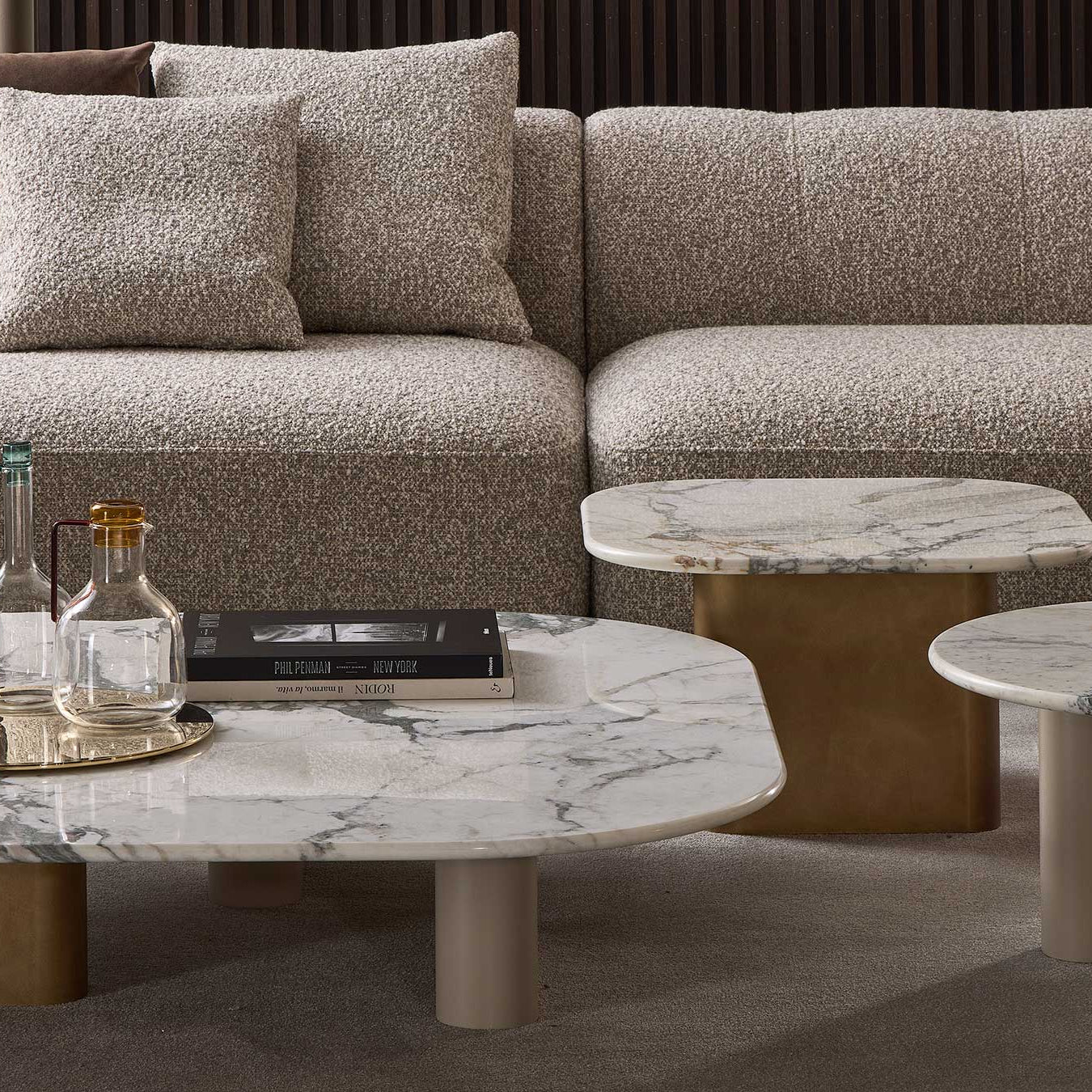
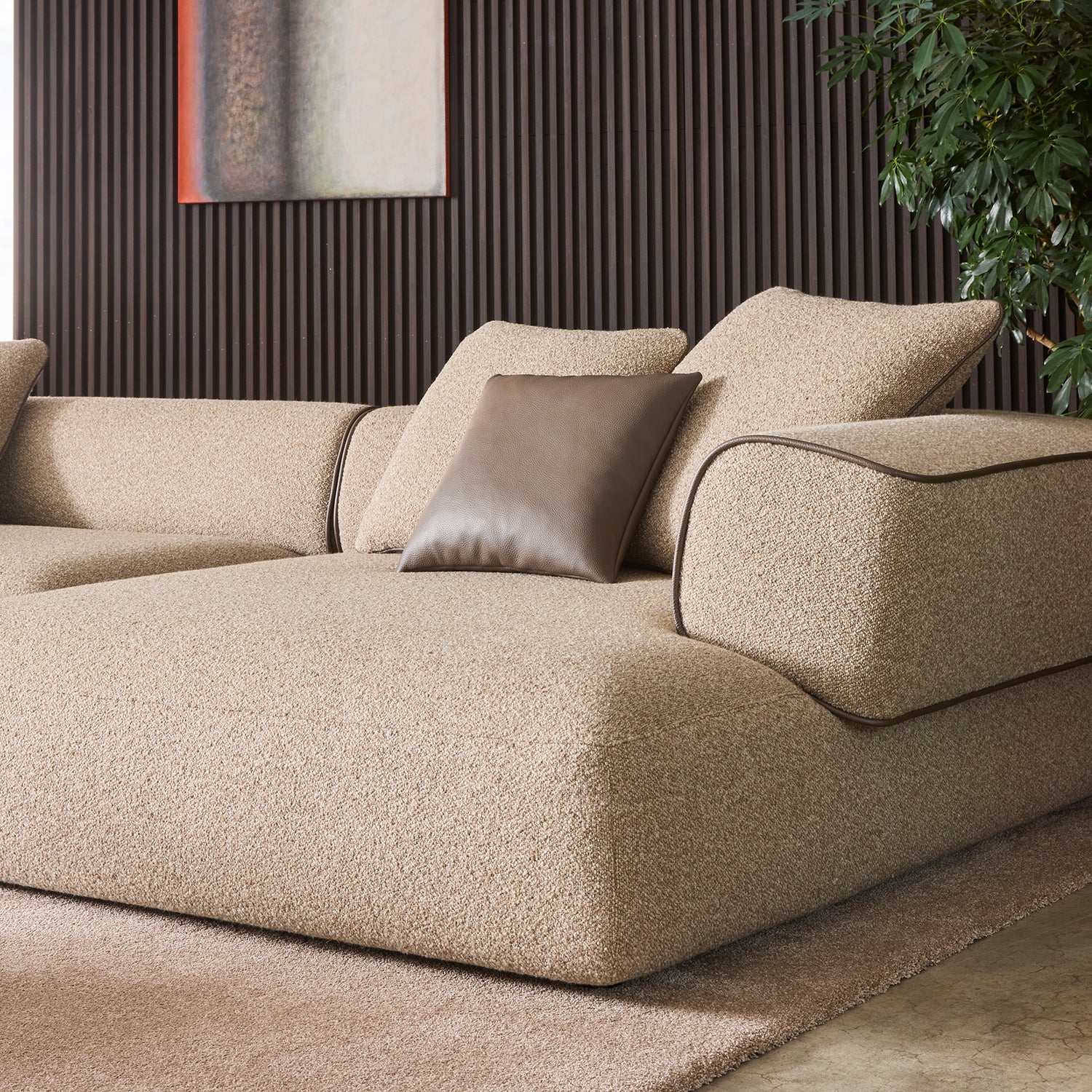
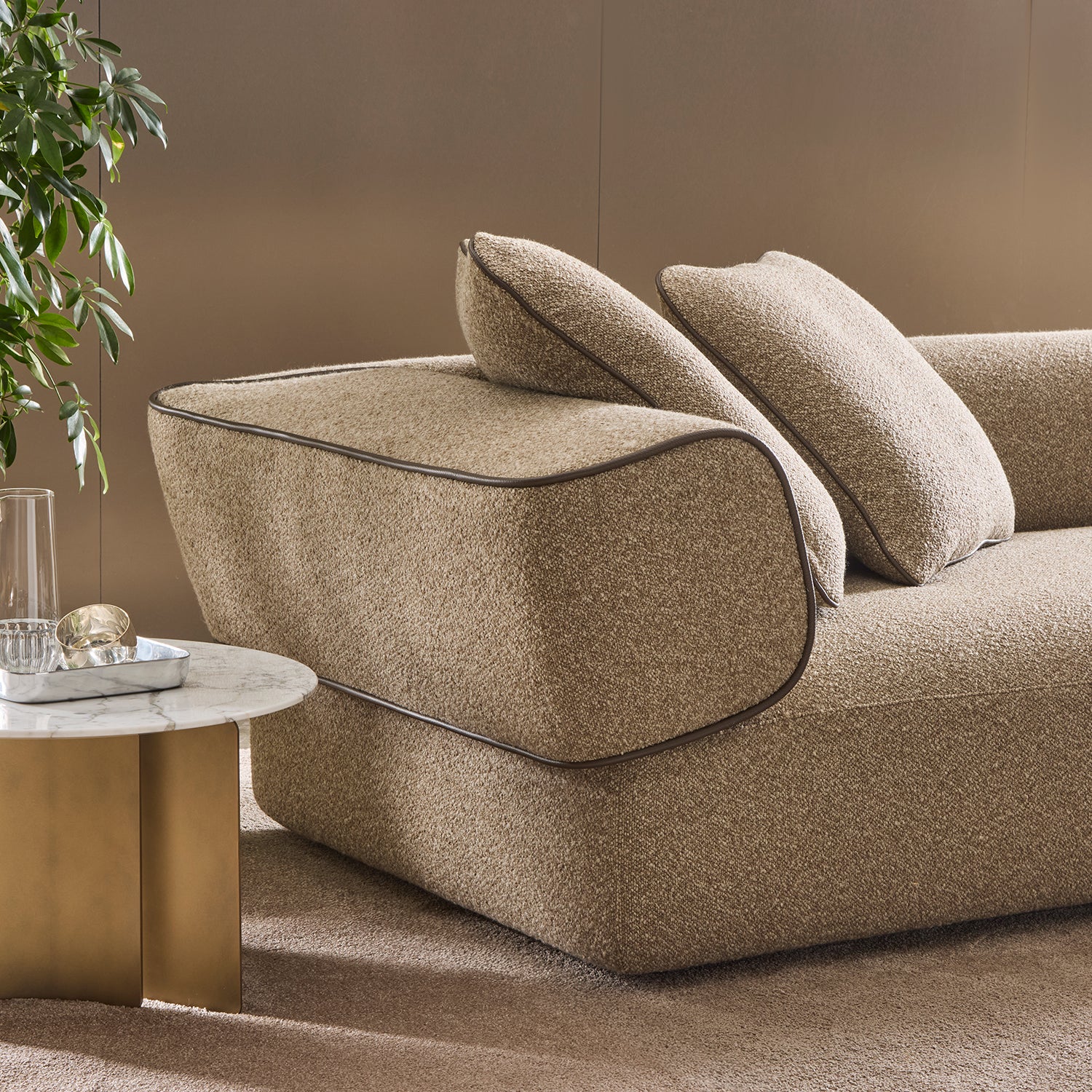
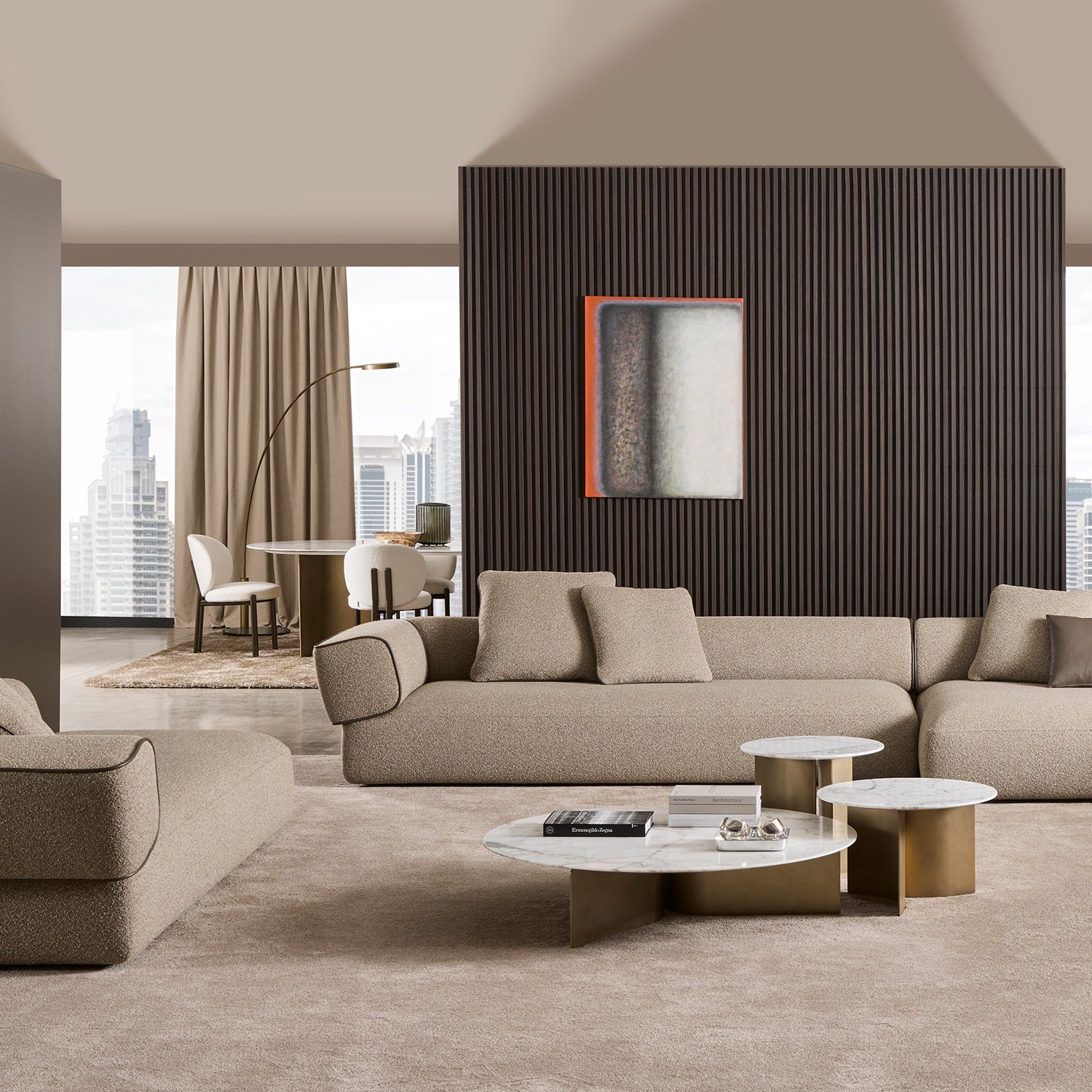
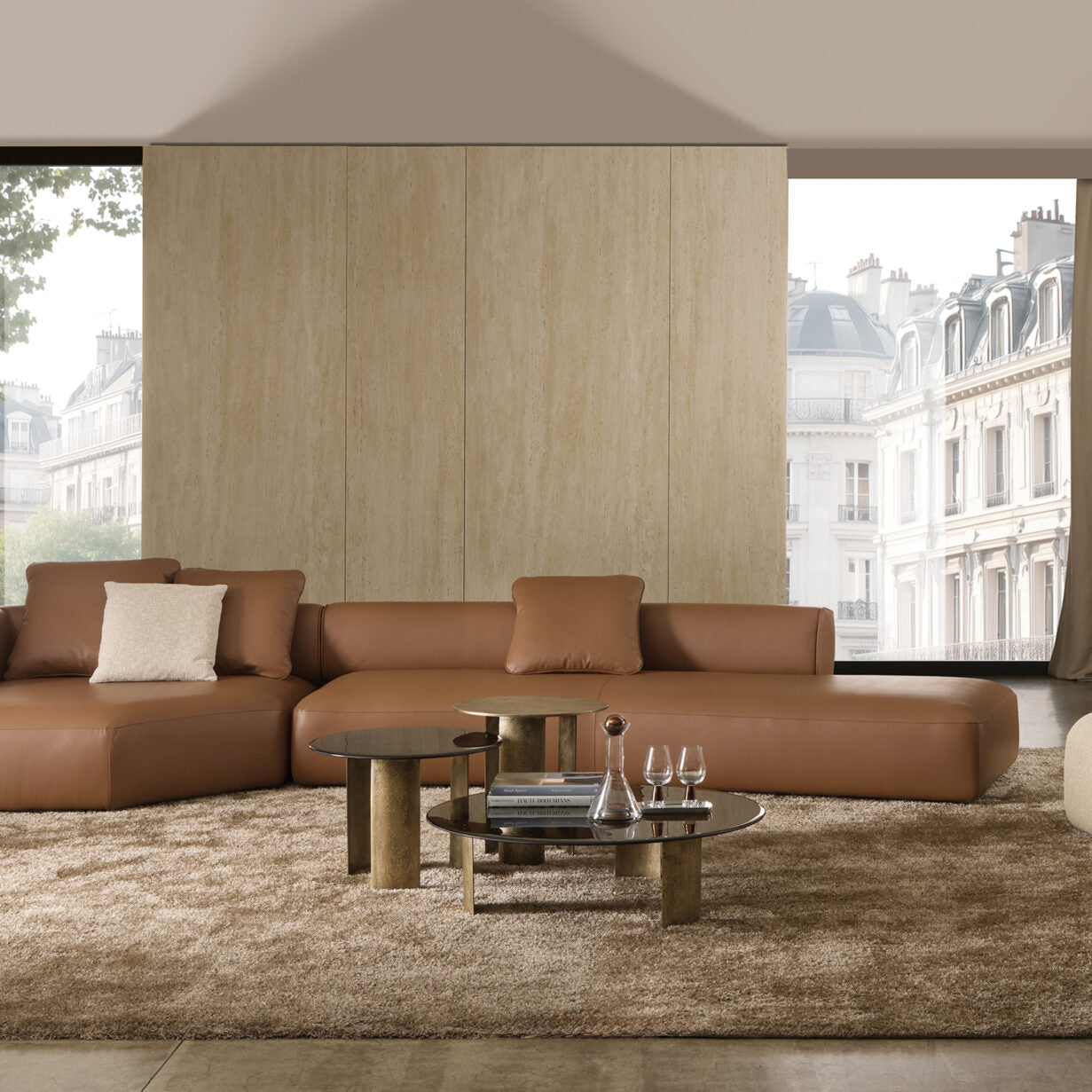
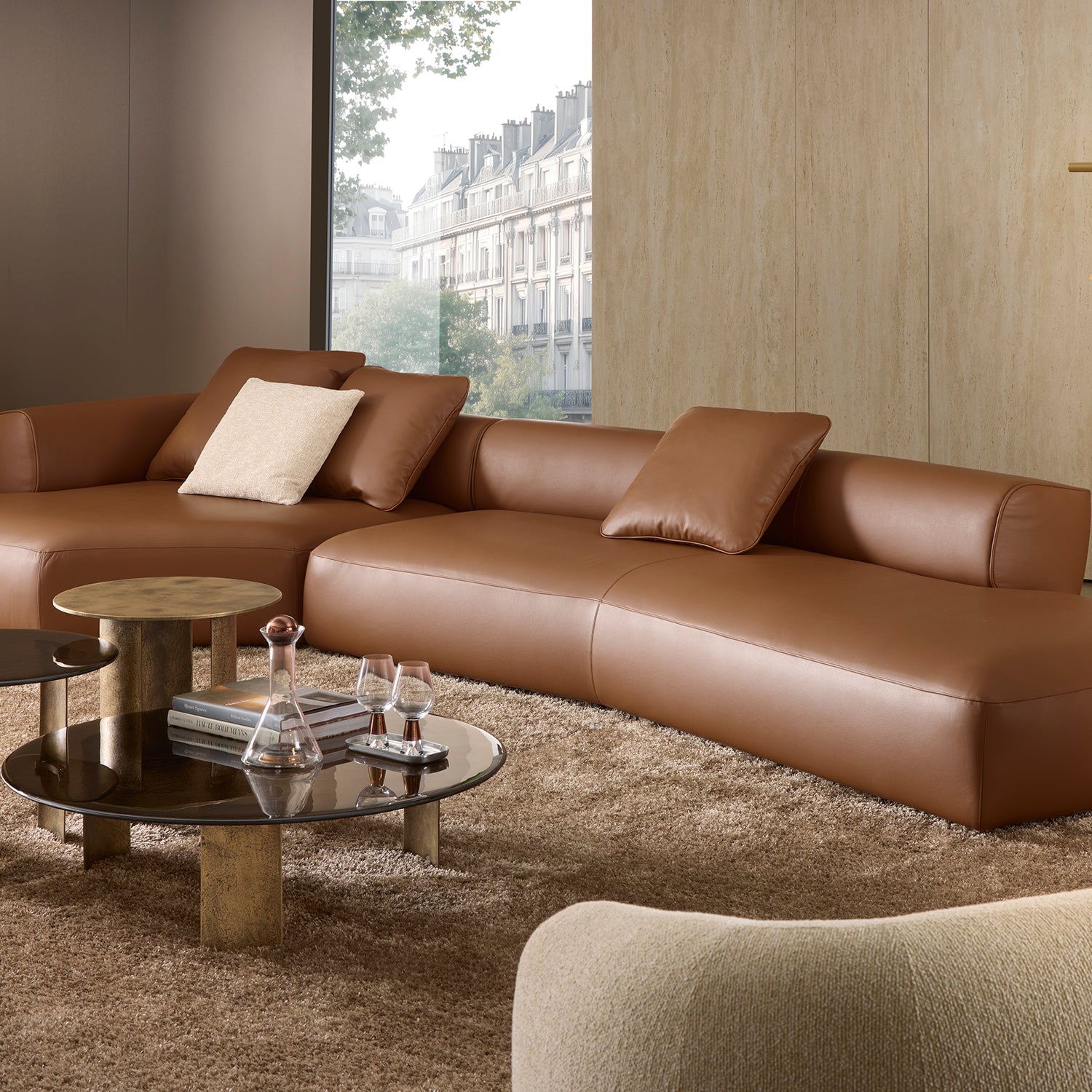
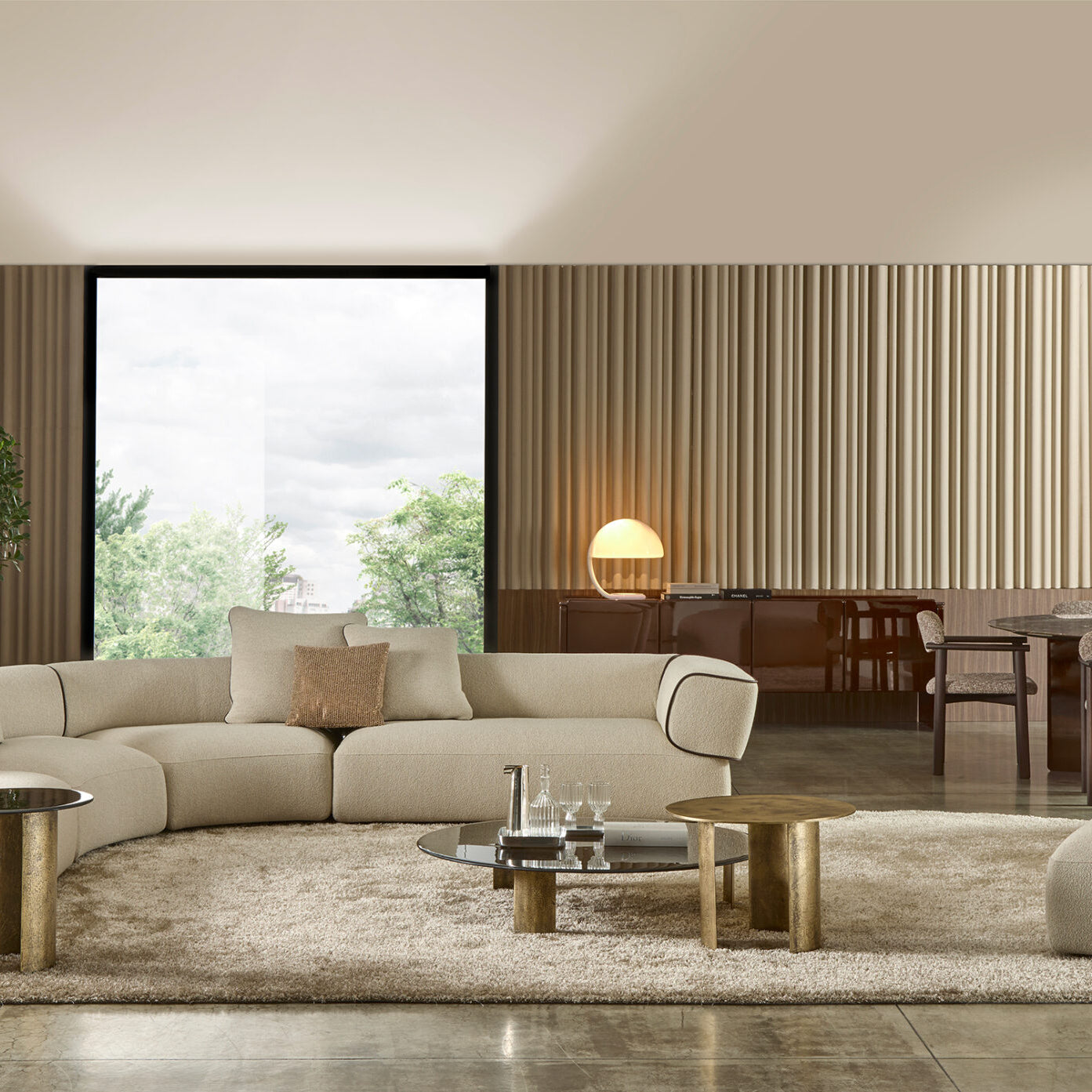
“Look at your flooring, cabinetry and stone first, because those are usually the strongest indicators of the undertone in a room. Then look at them in both natural daylight and your evening lighting. If they appear more honey, cream, beige or yellow, you're likely working with warmer tones. If you see blue, grey or crisp white, the space will generally lean cooler.” — Cayley Scrooby, Interior Stylist at Sovereign Interiors
She notes that it's important to look at the undertone of the whole room, rather than judging it from a single feature.
“Don't judge it from one sample or one surface. Stand back and look at how the flooring, cabinetry, walls and benchtops sit together. If most of those elements feel warm, that's your starting point. If they're a mixture, you can use a more neutral finish to bring everything together.” — Cayley Scrooby, Interior Stylist at Sovereign Interiors
Step 2: Choose Your Home's Best Metallic Finish
Once you've identified the undertone, Cayley recommends using it to narrow down your metallic options.
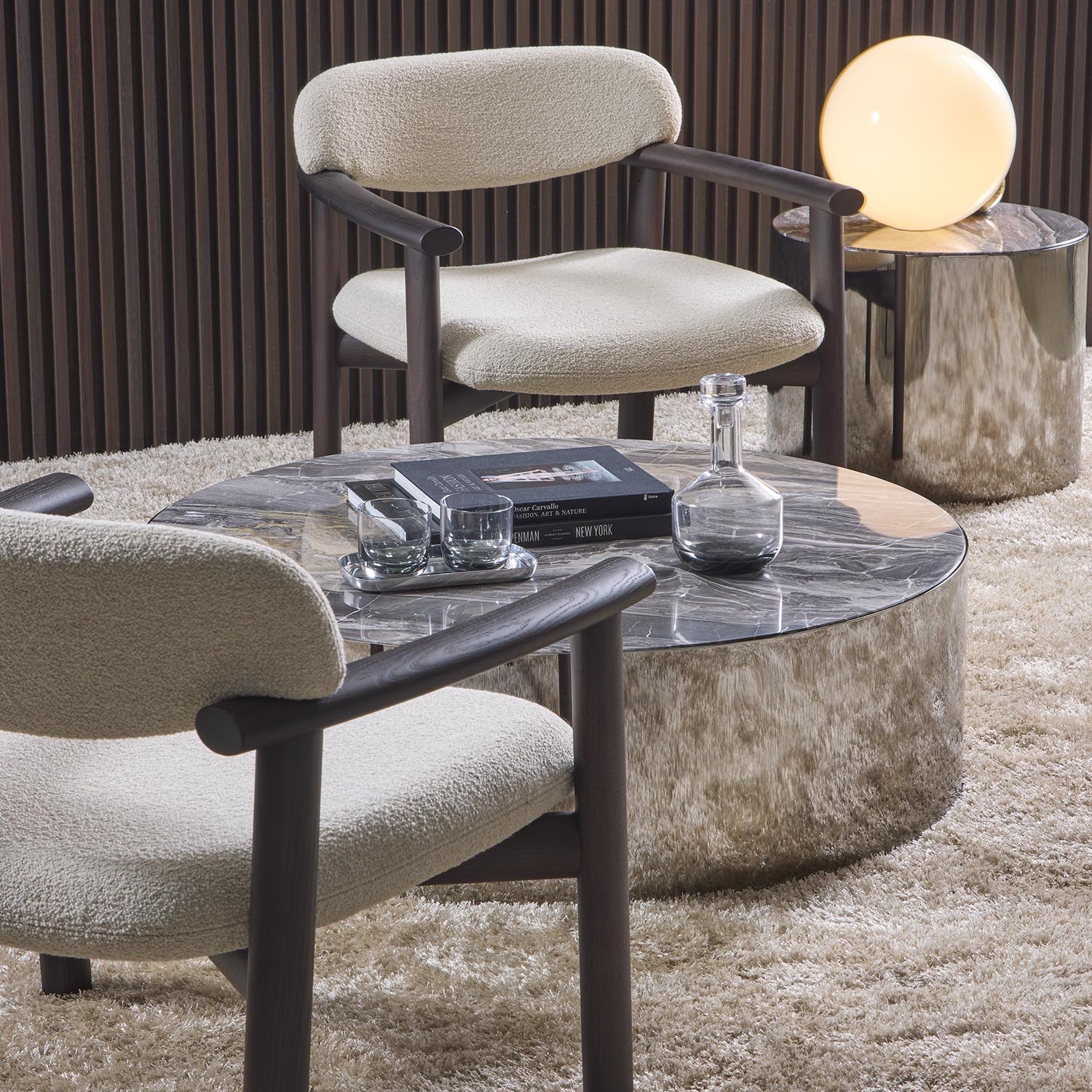
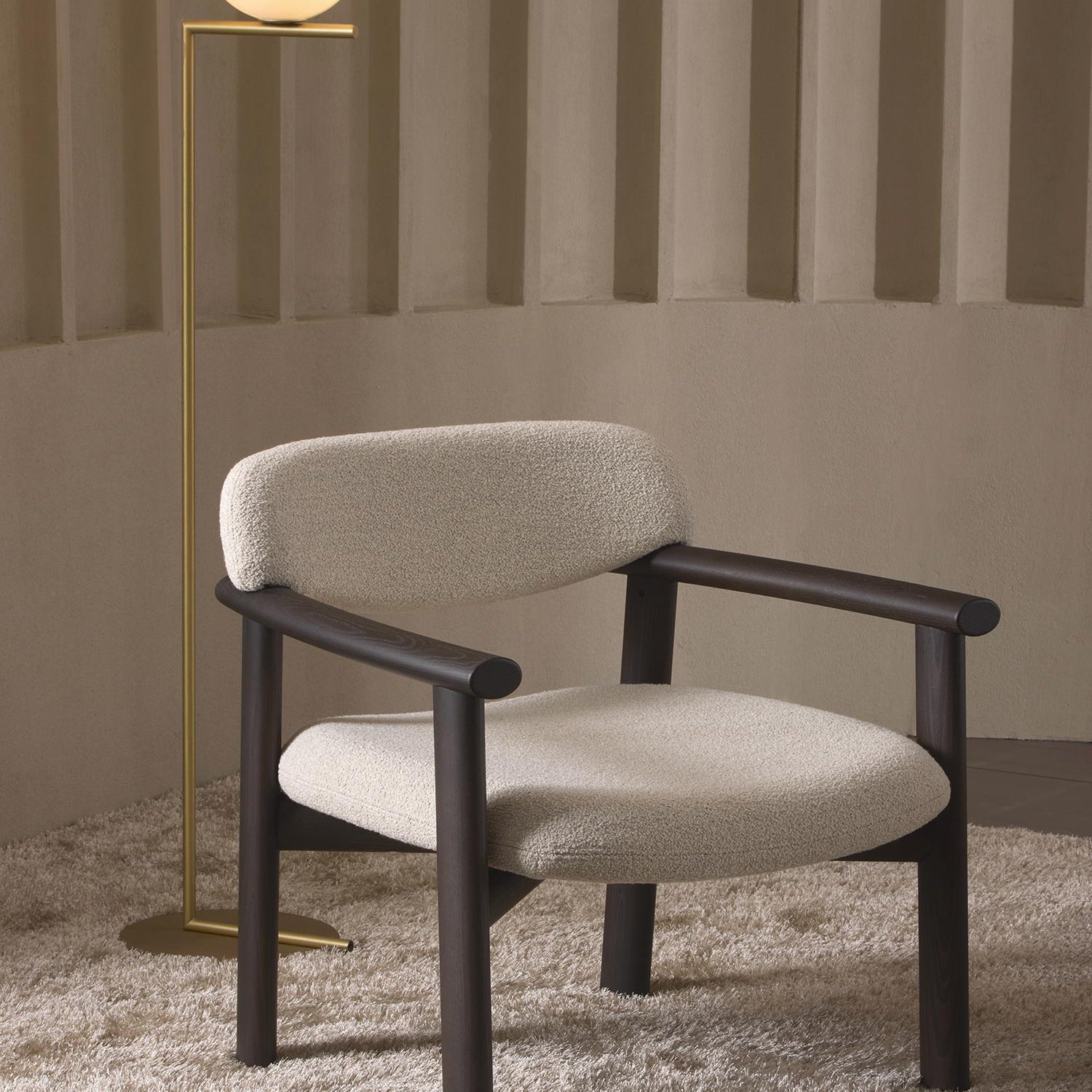
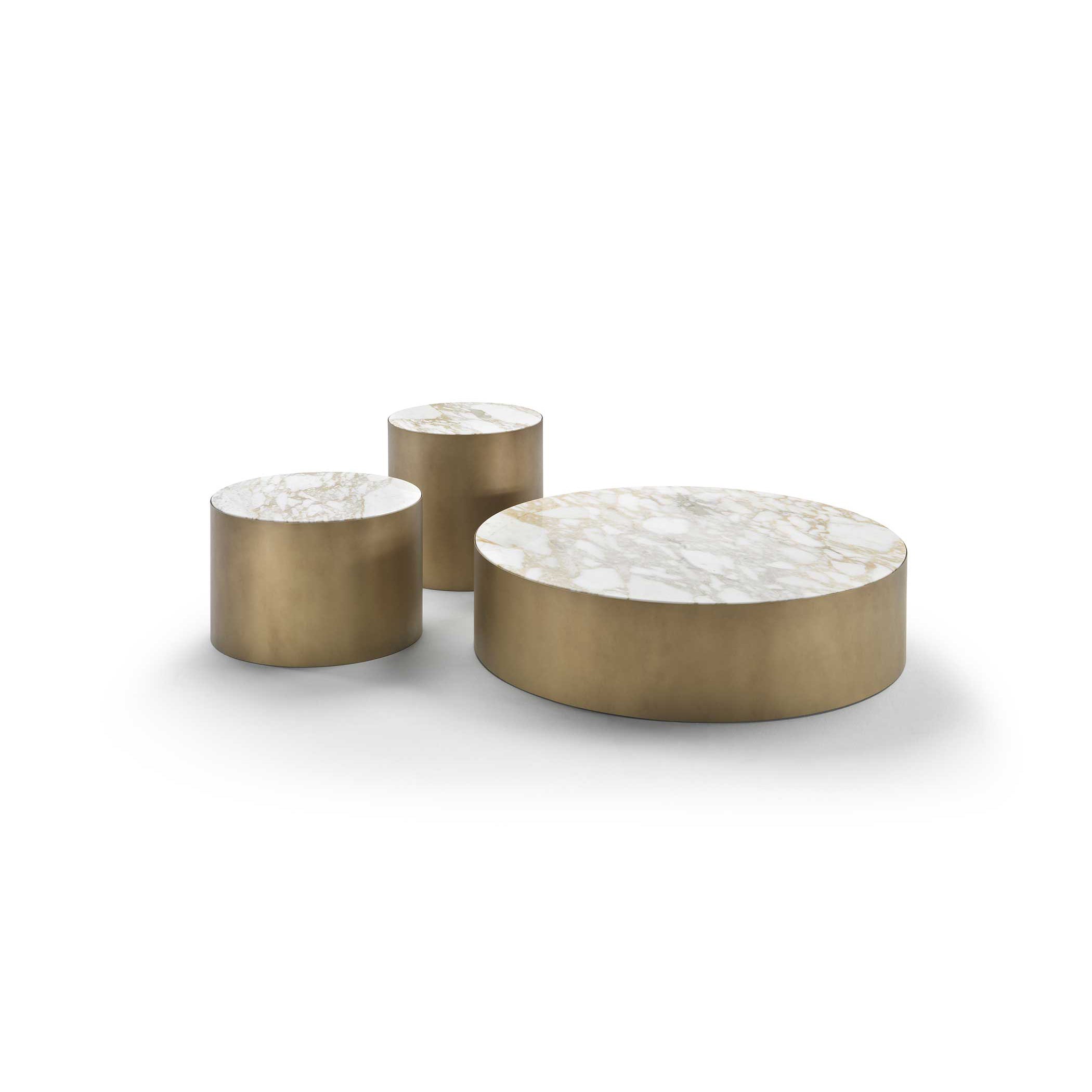
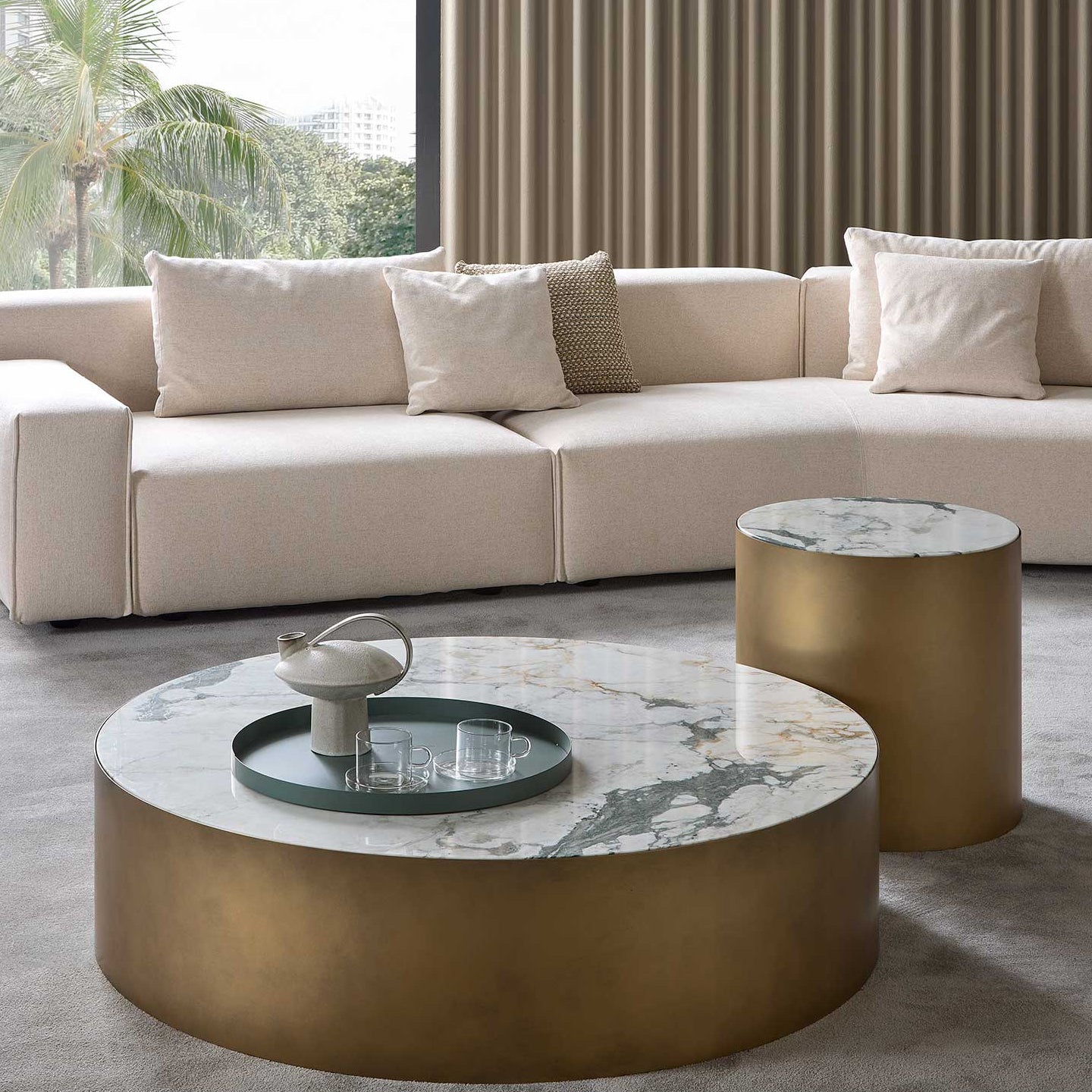
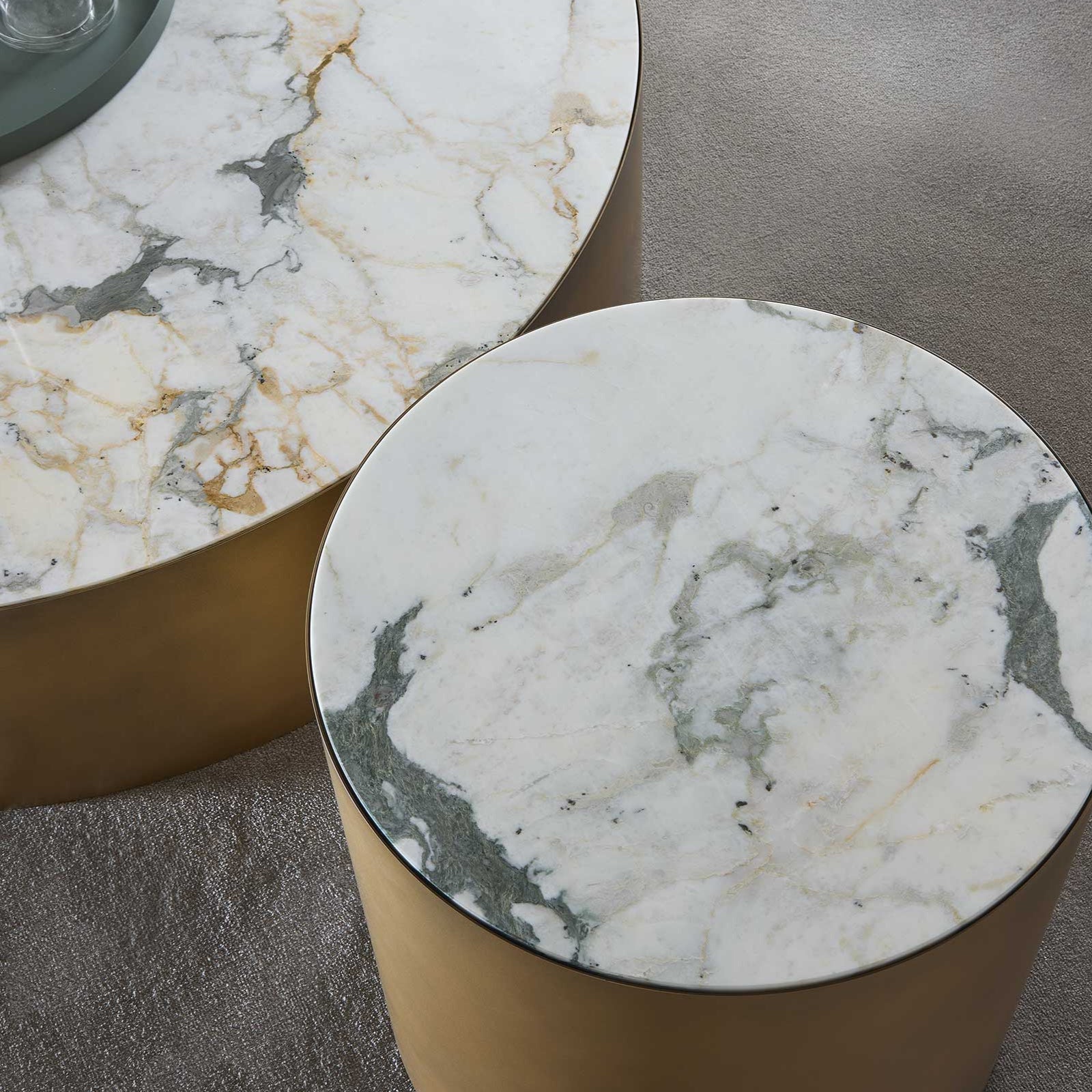
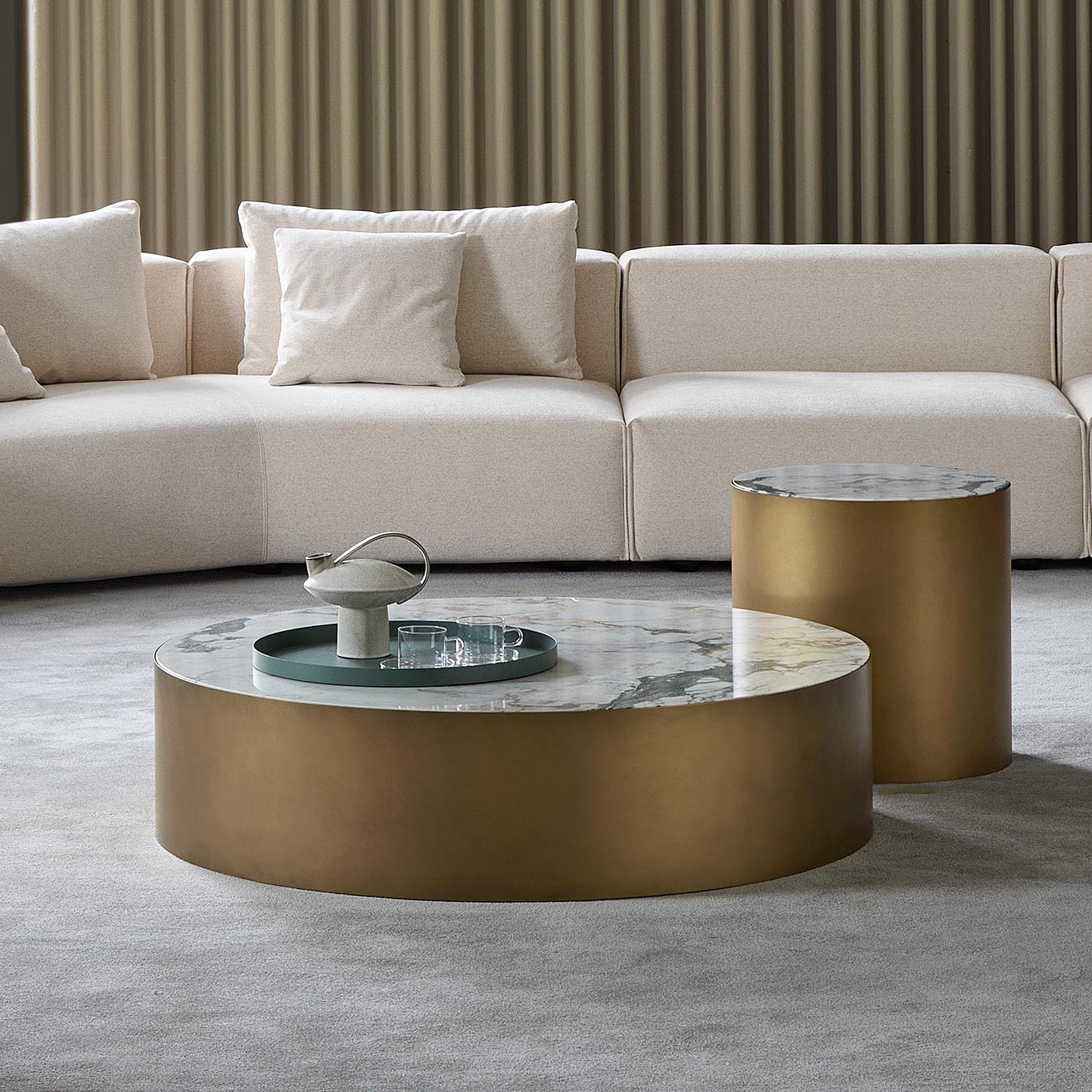
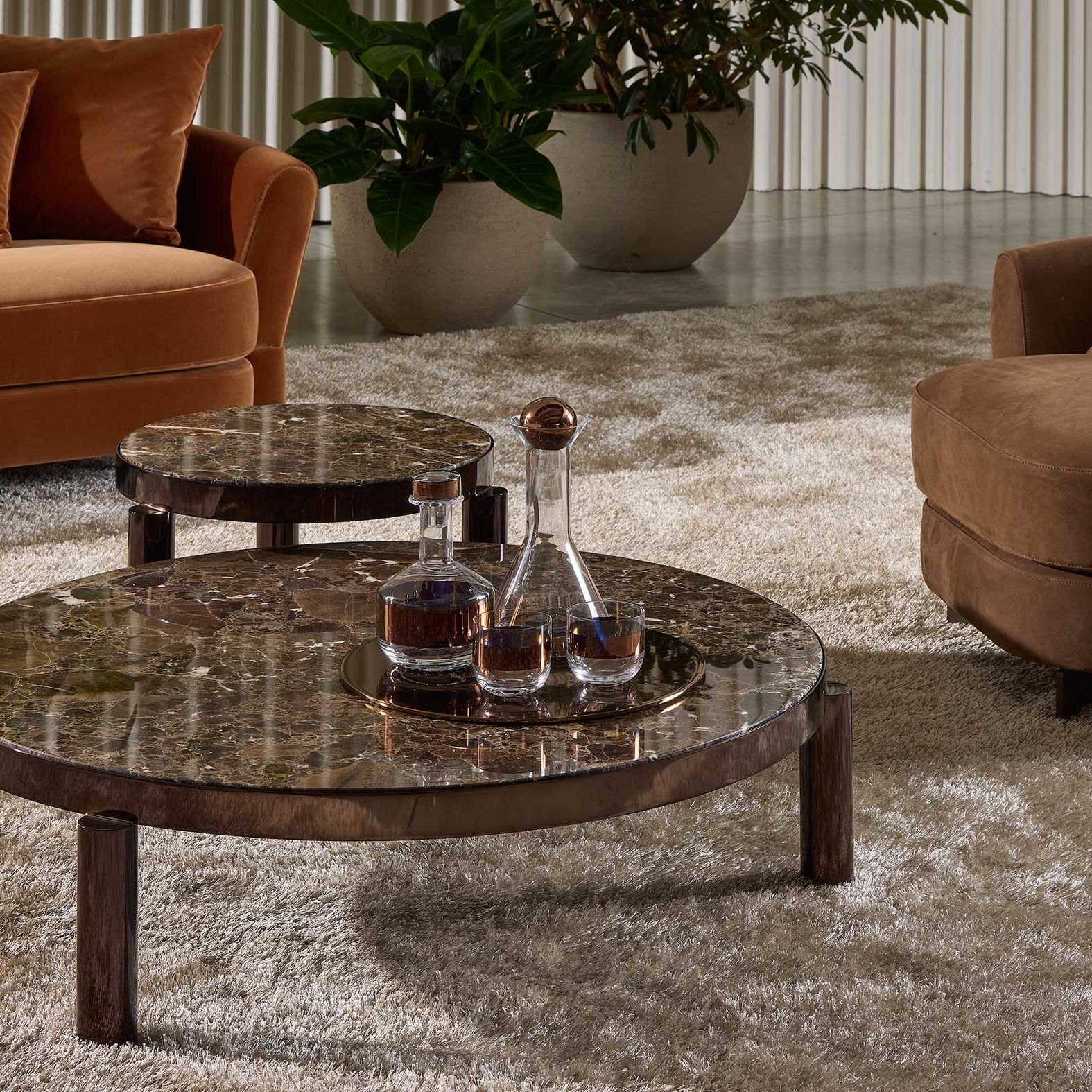
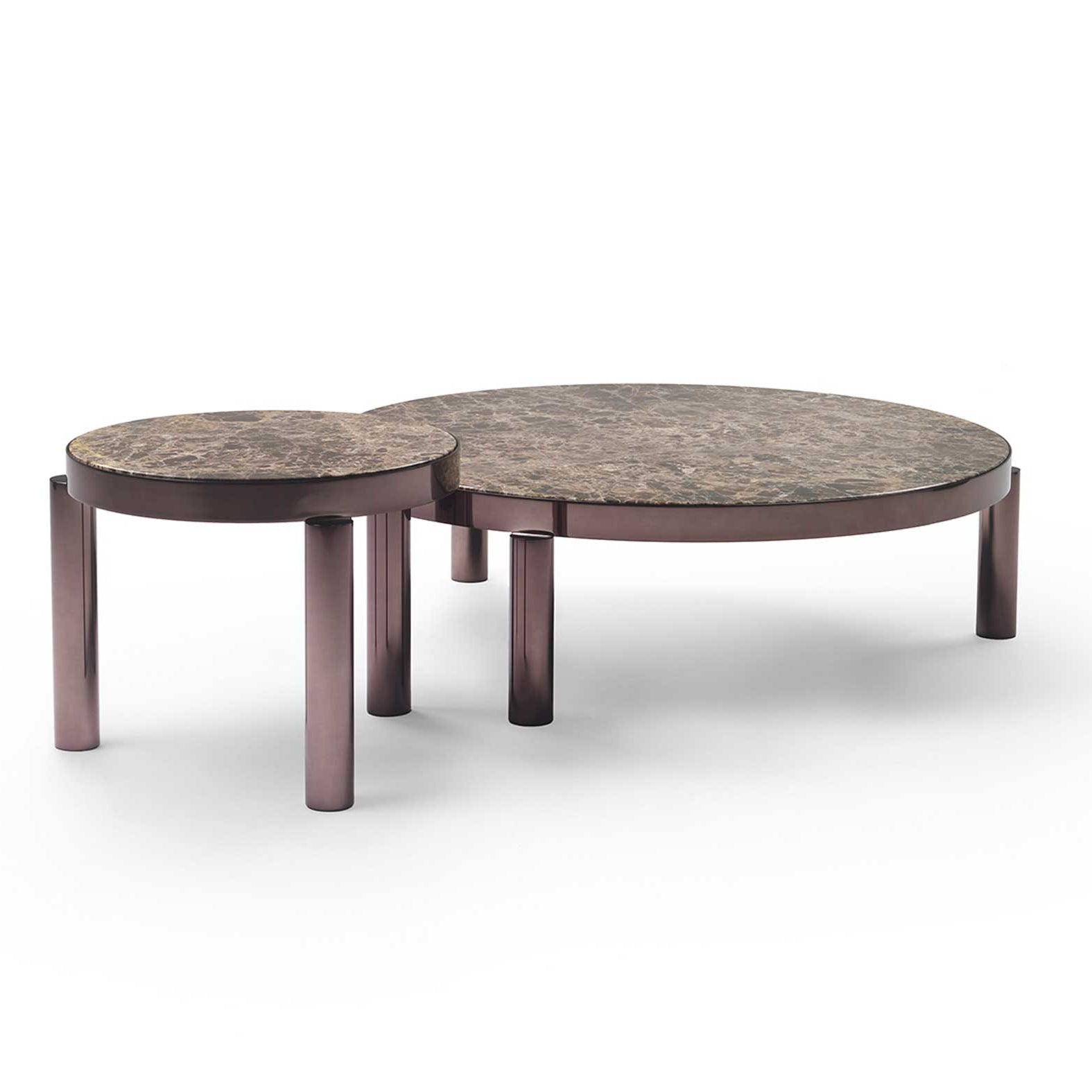
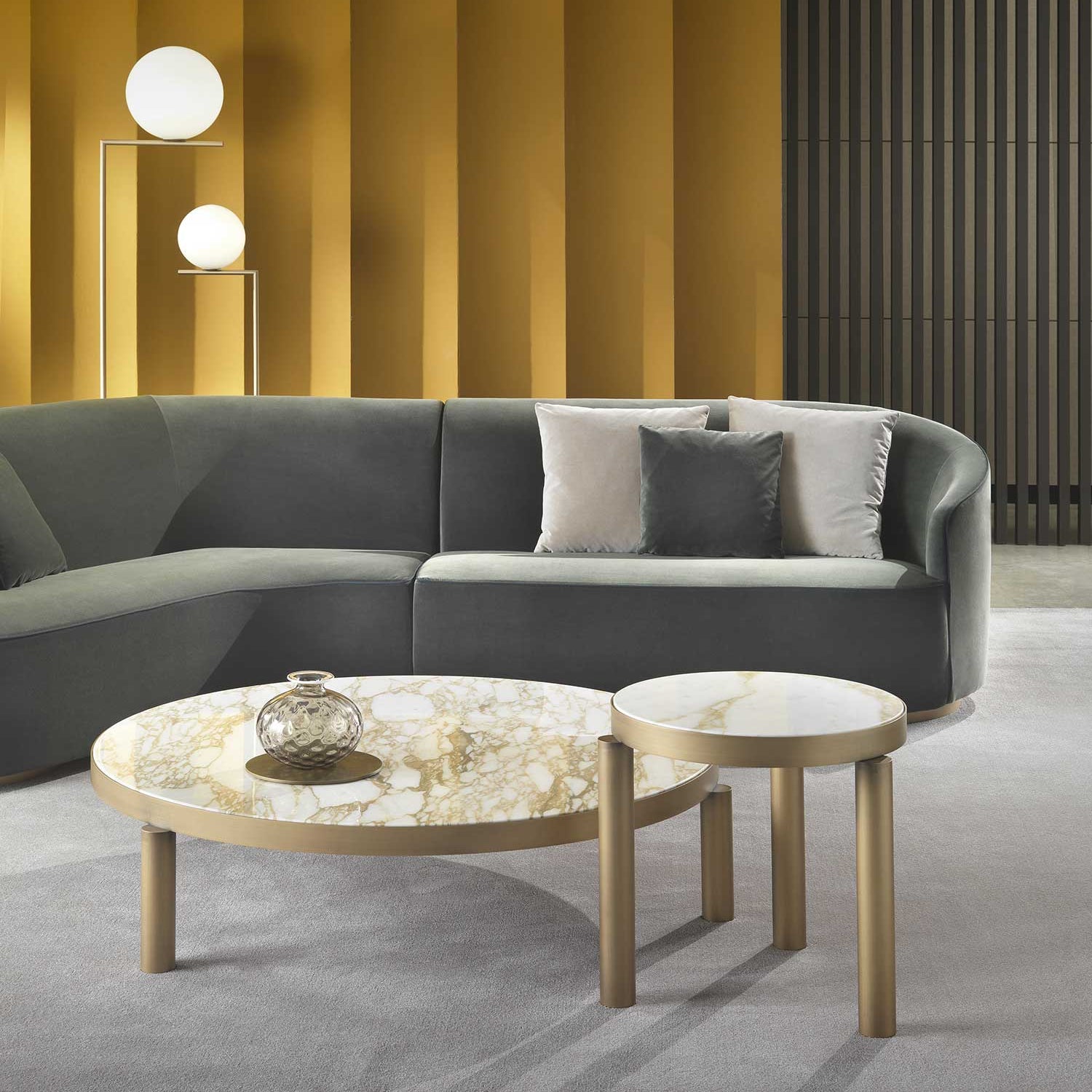
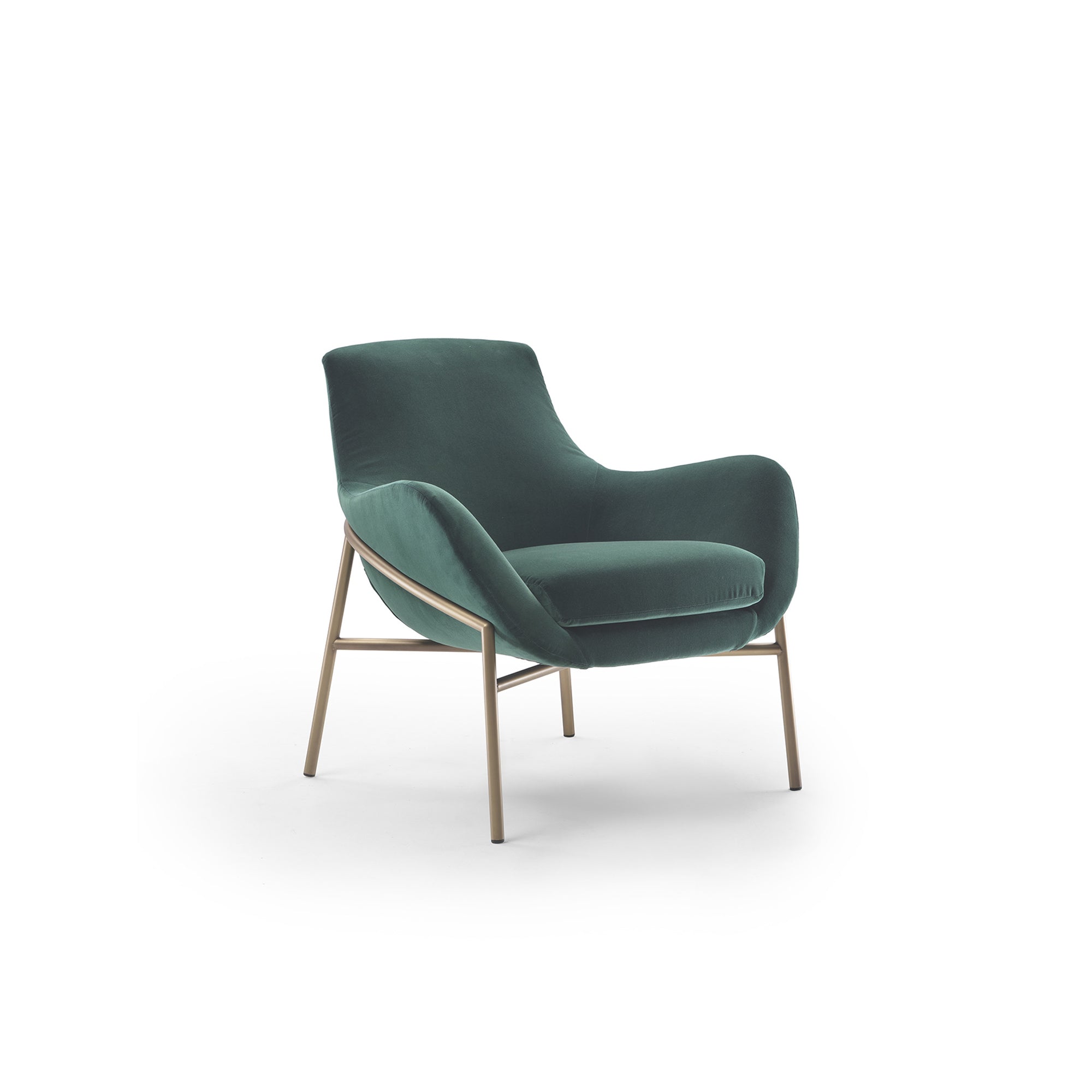
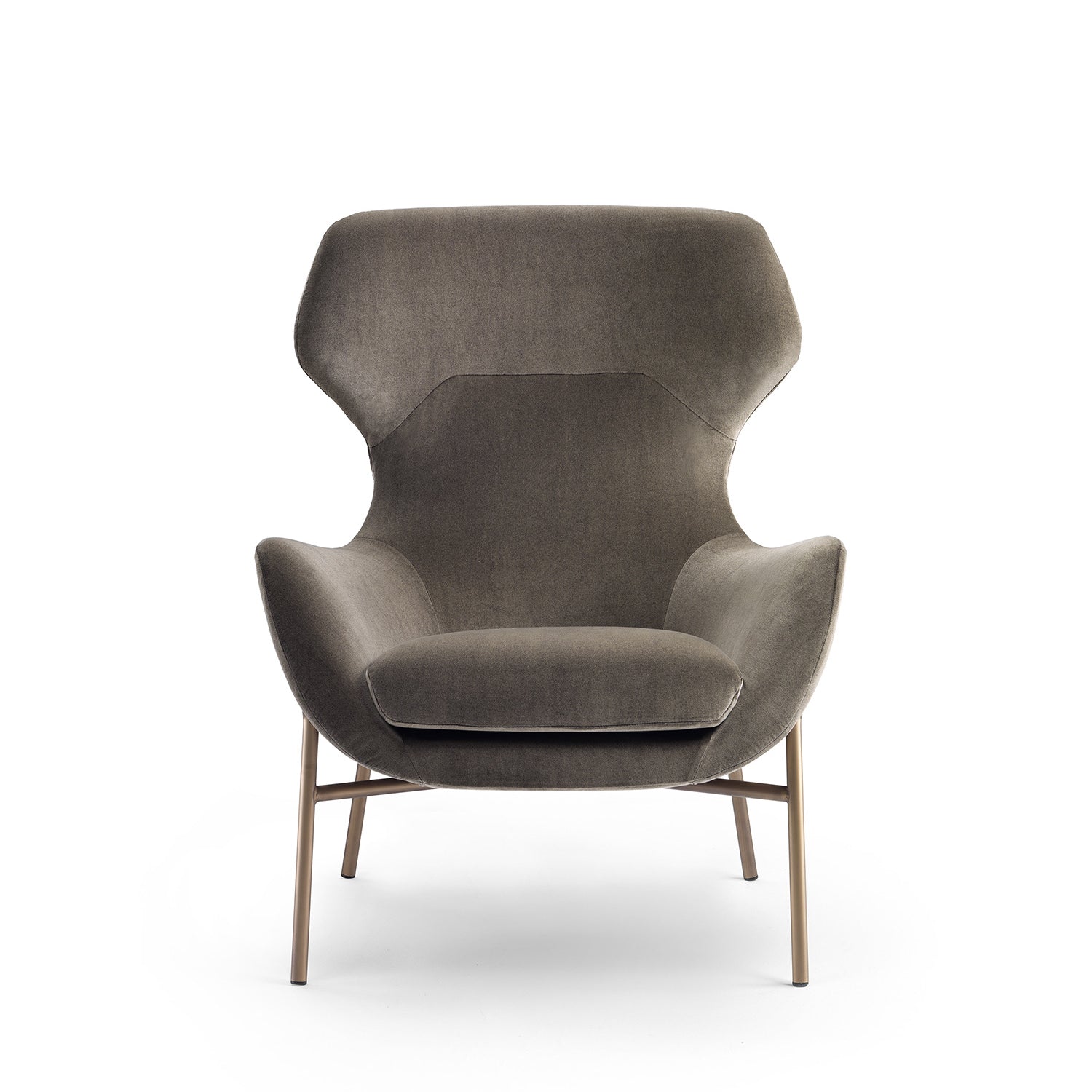
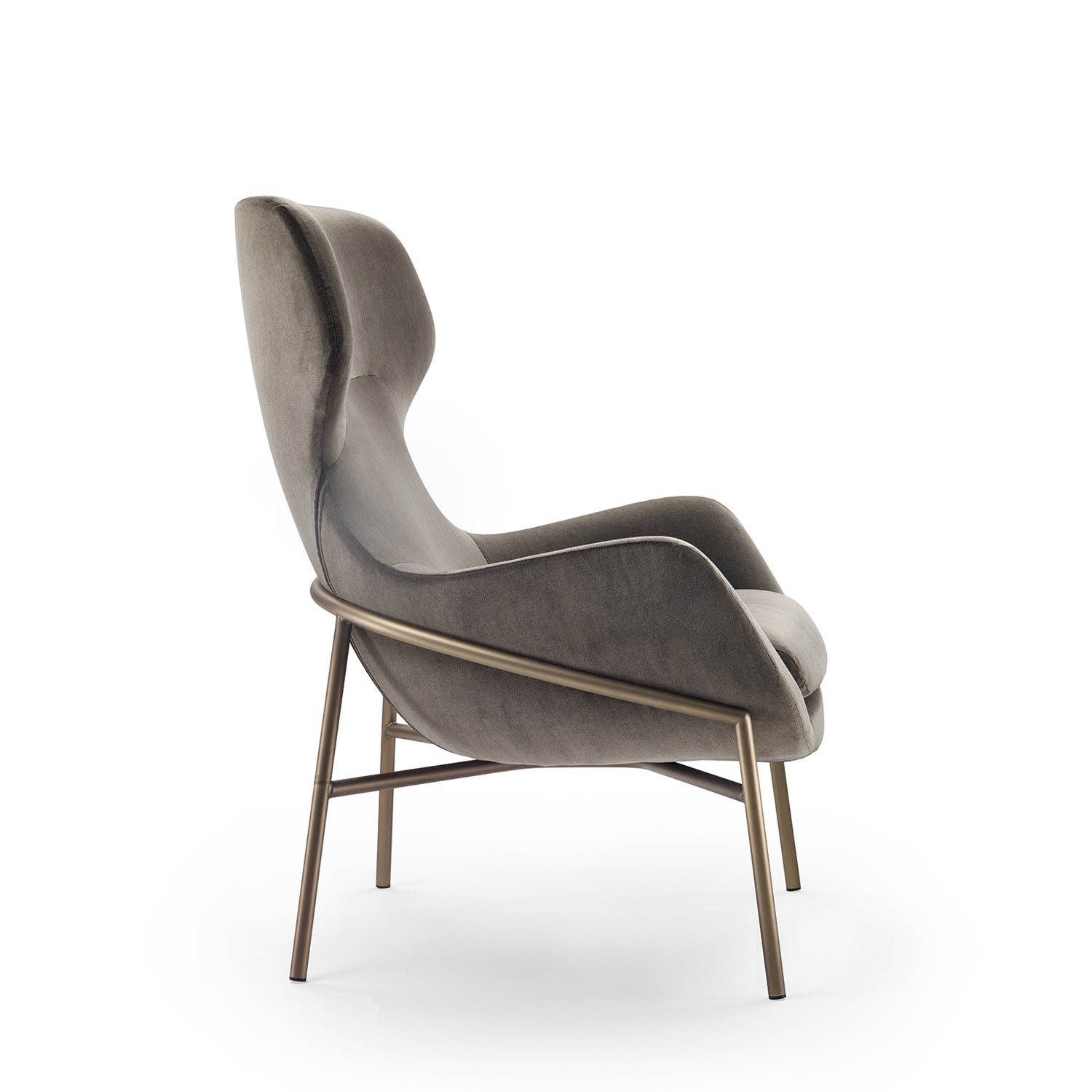
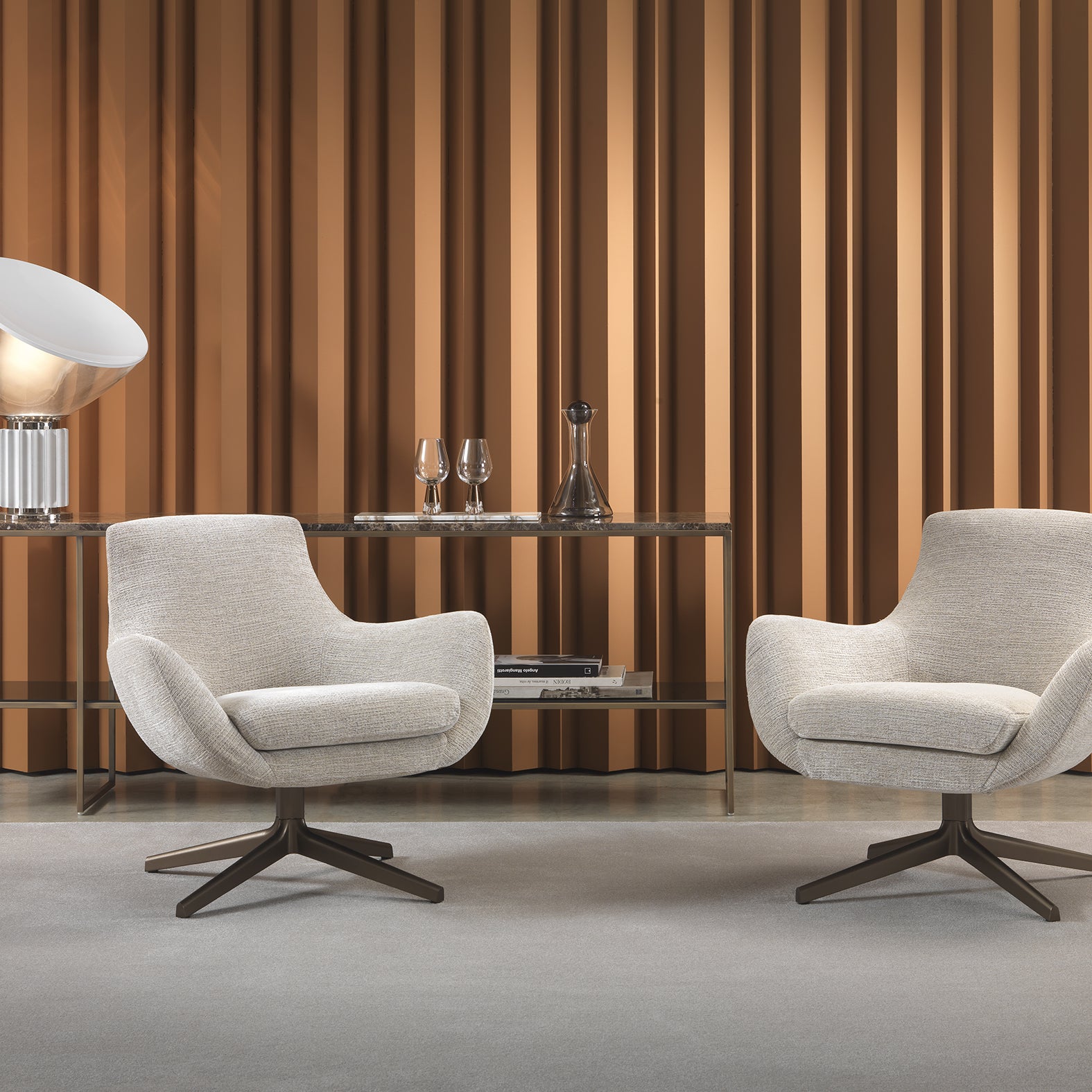
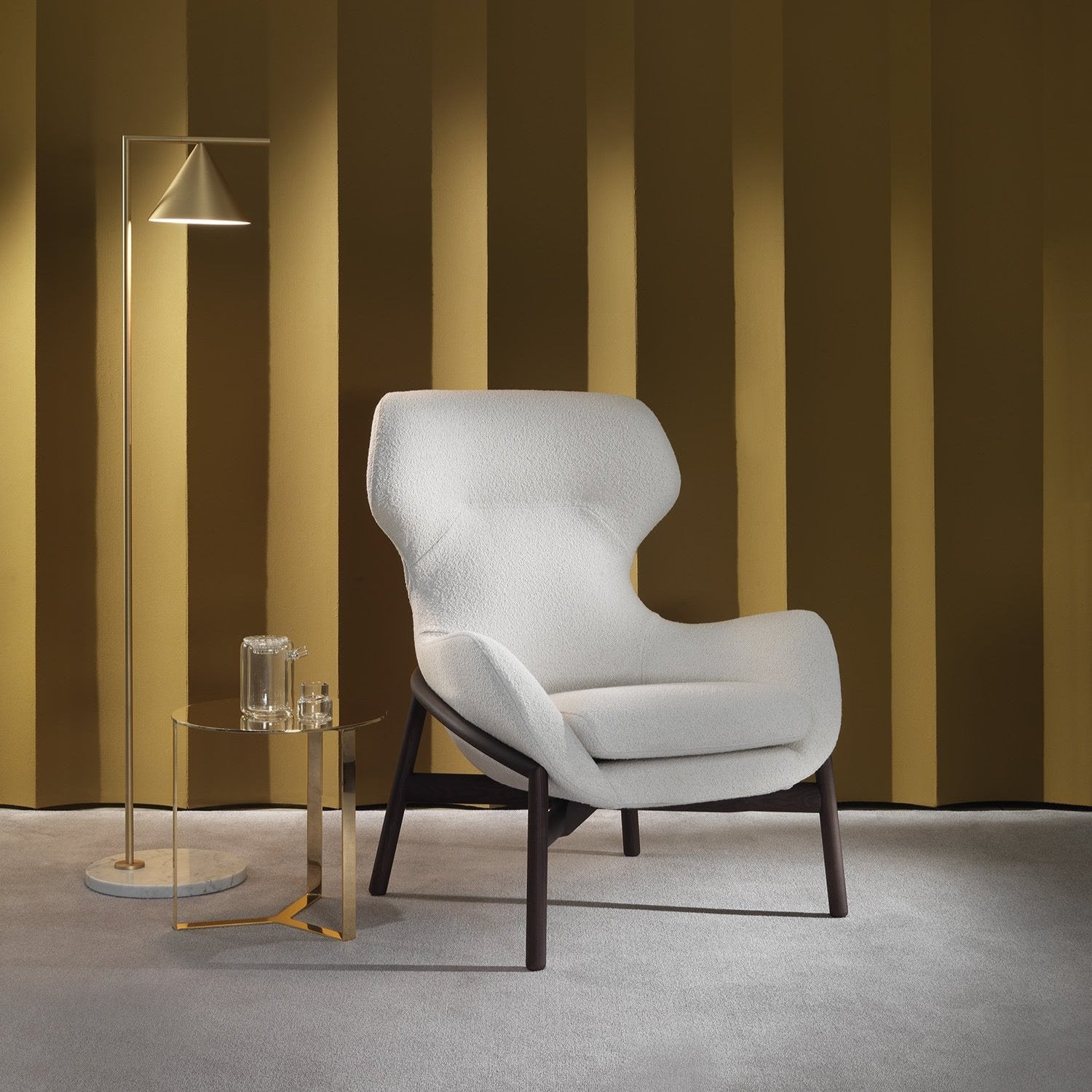
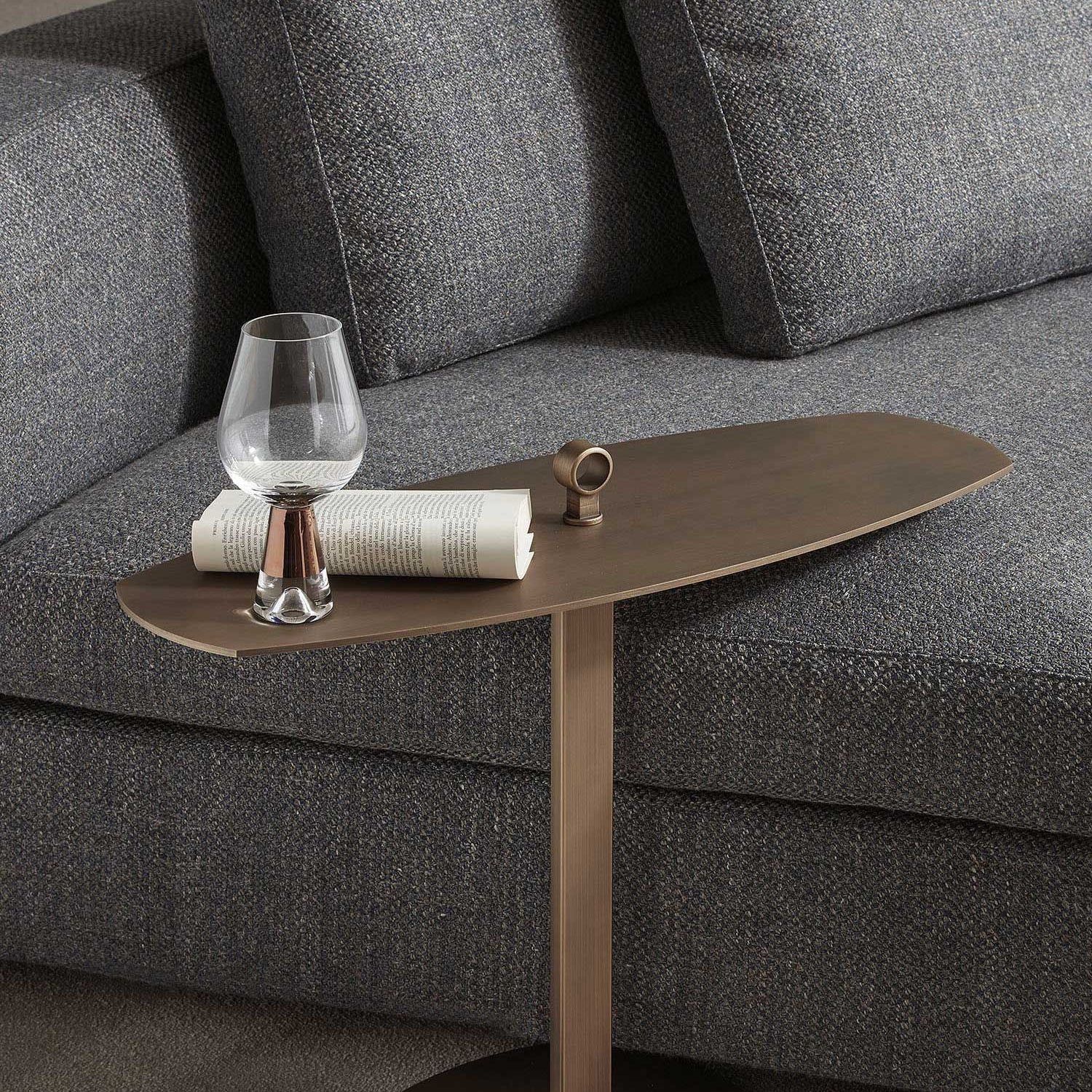
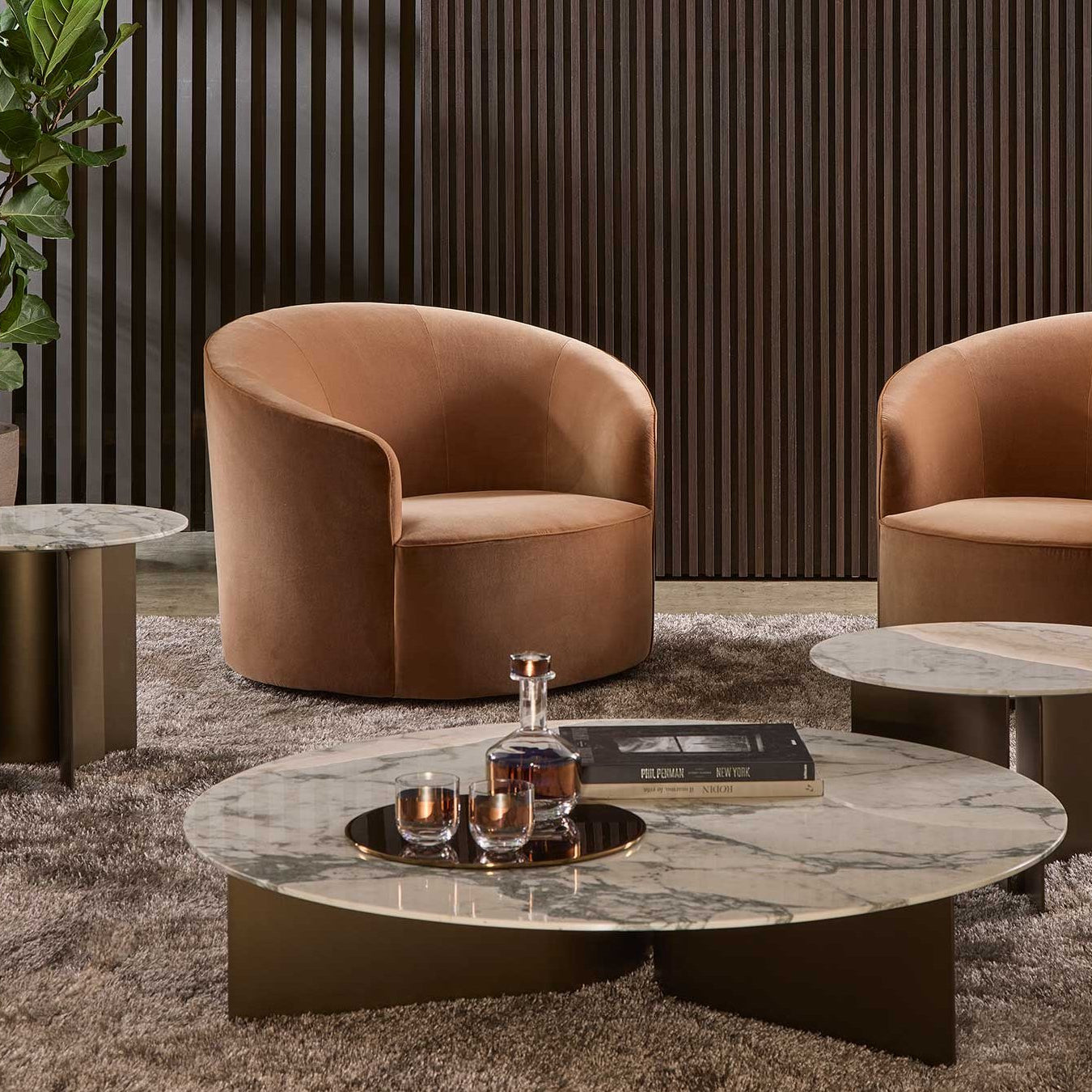
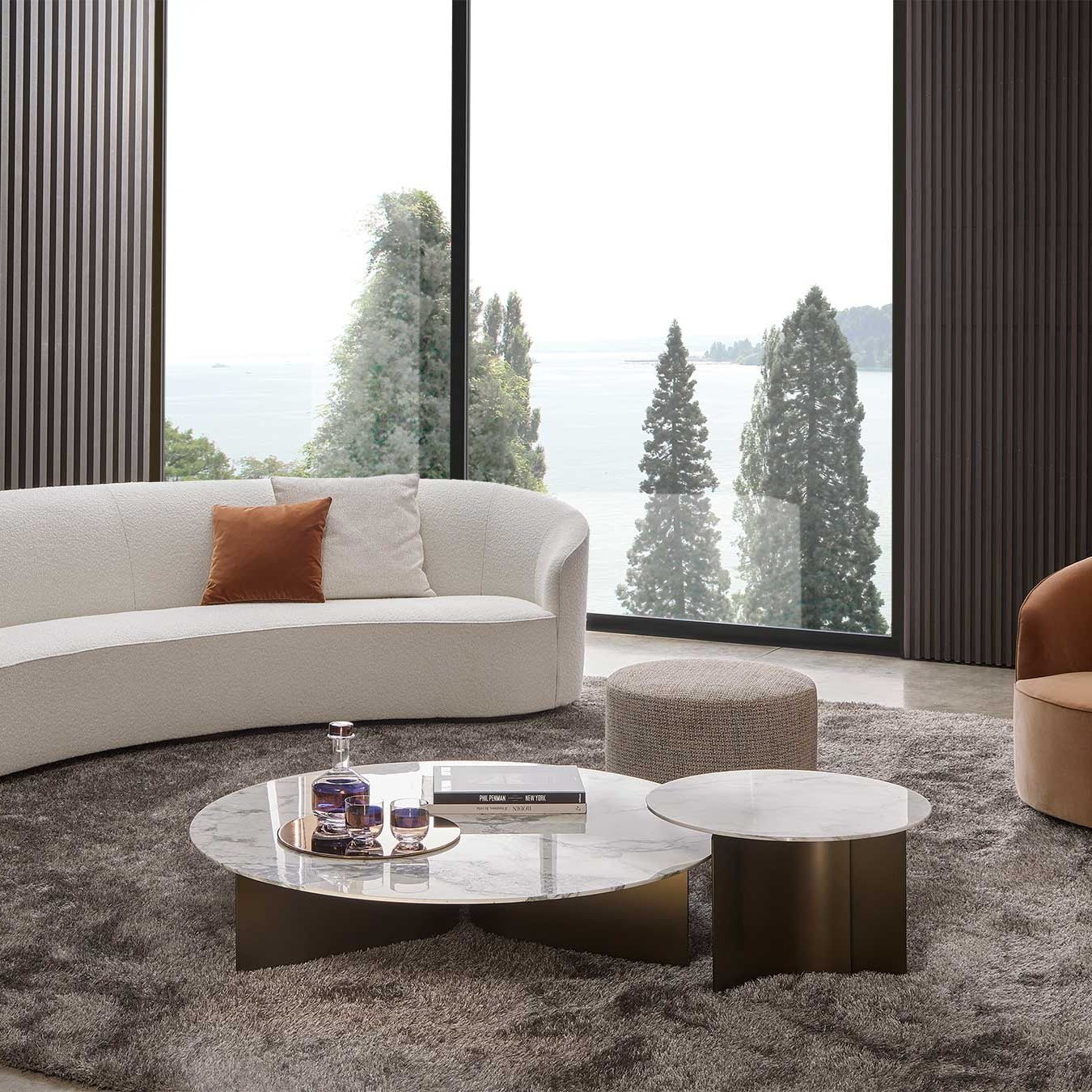
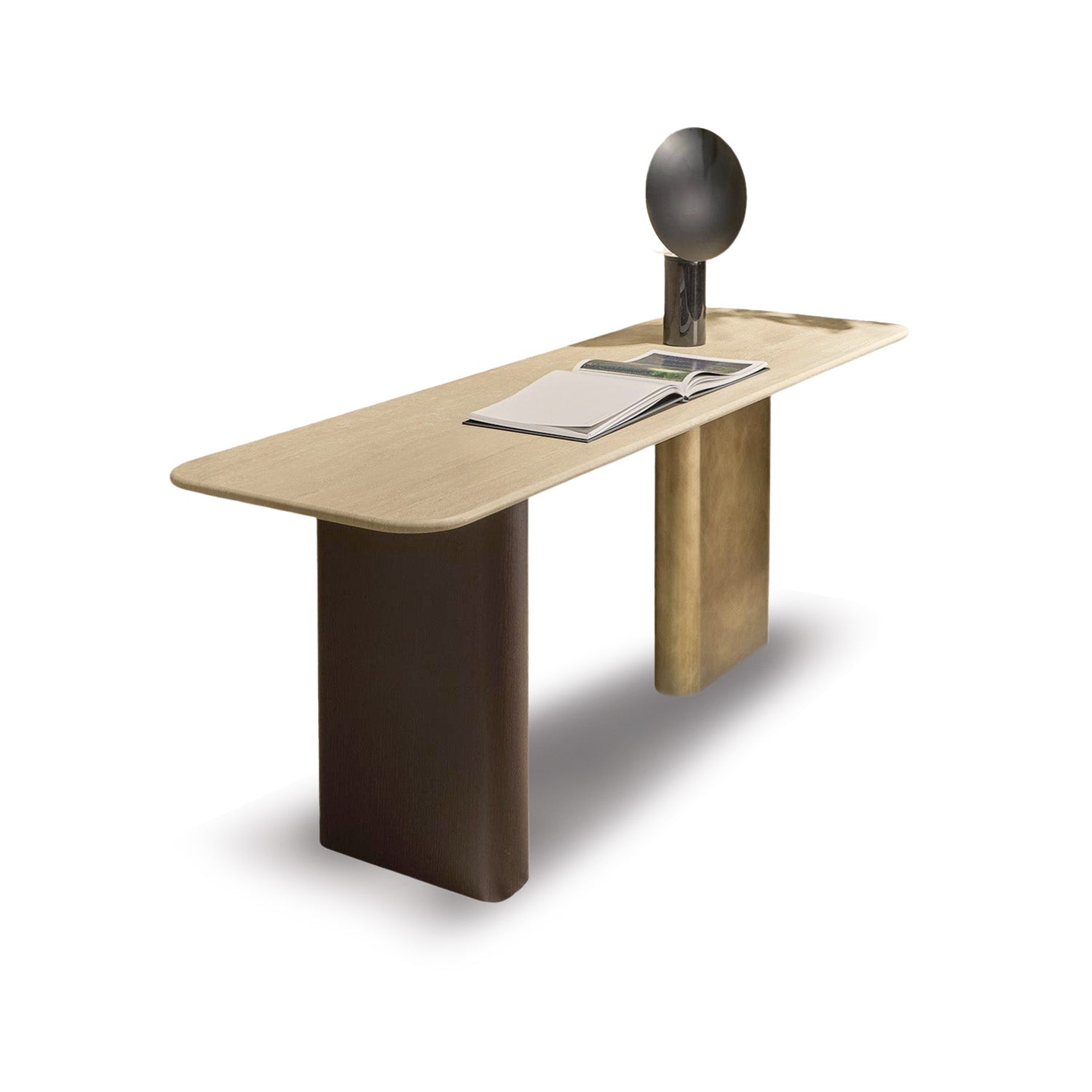
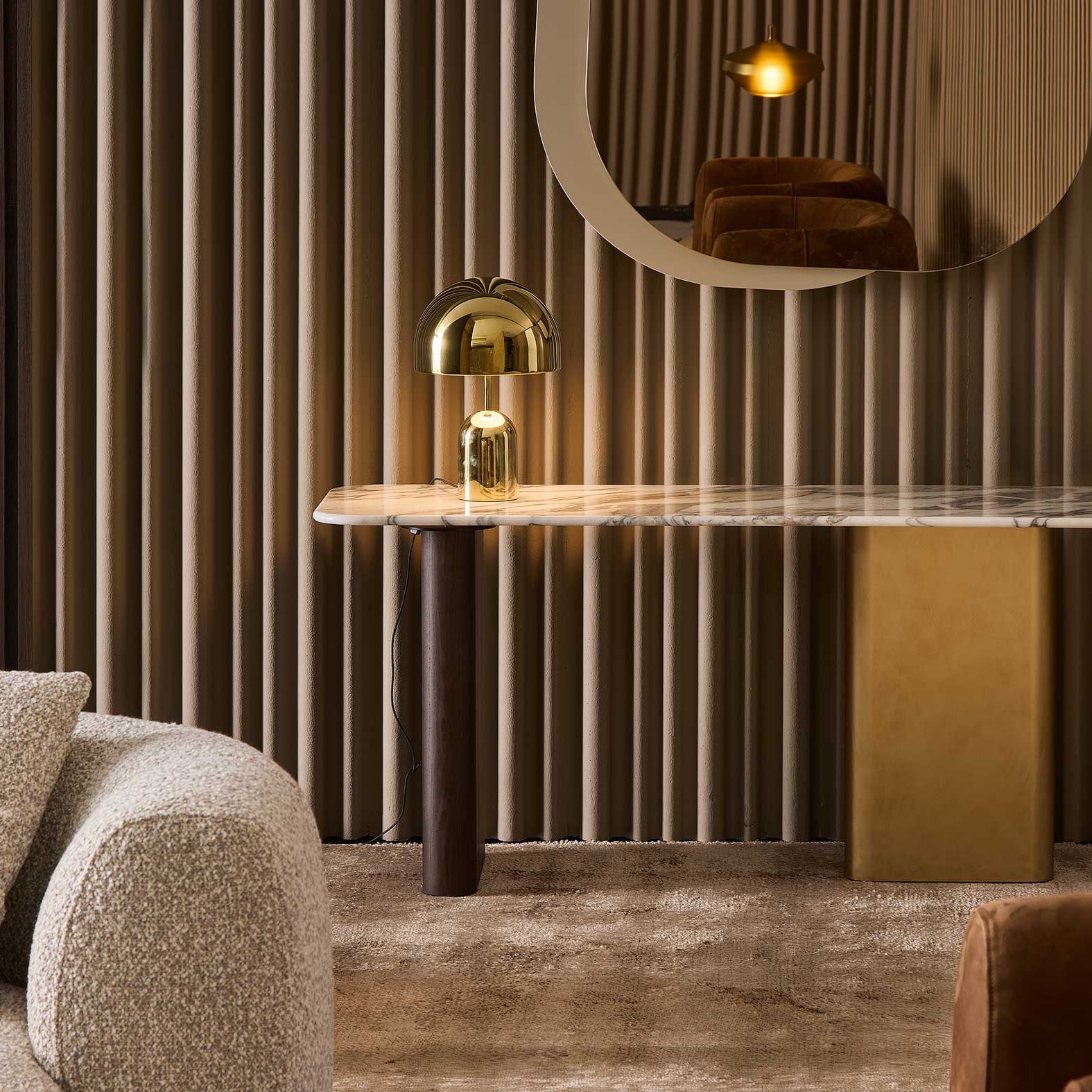
“For warmer interiors, I'd look at aged brass, brushed gold, bronze or copper. They tend to sit naturally with timber, cream stone and earthy colours. For cooler interiors, chrome and brushed nickel are often a better fit, particularly alongside grey stone, cooler cabinetry and crisp whites.” — Cayley Scrooby, Interior Stylist at Sovereign Interiors
If you're still unsure which way to go, she suggests testing rather than choosing from memory.
“Put two or three finishes directly against your cabinetry or benchtop and look at them in the room rather than under showroom lighting. You'll usually see quite quickly which one sits comfortably and which one feels like it's fighting the space.” — Cayley Scrooby, Interior Stylist at Sovereign Interiors
For homes that already have a mixture of warm and cool finishes, Cayley says there's no need to start again from scratch.
“You don't necessarily need to choose a completely new direction. A brushed or softer finish can help bridge the gap because it has less visual contrast than something highly polished.” — Cayley Scrooby, Interior Stylist at Sovereign Interiors